Instant Teeth Whitening
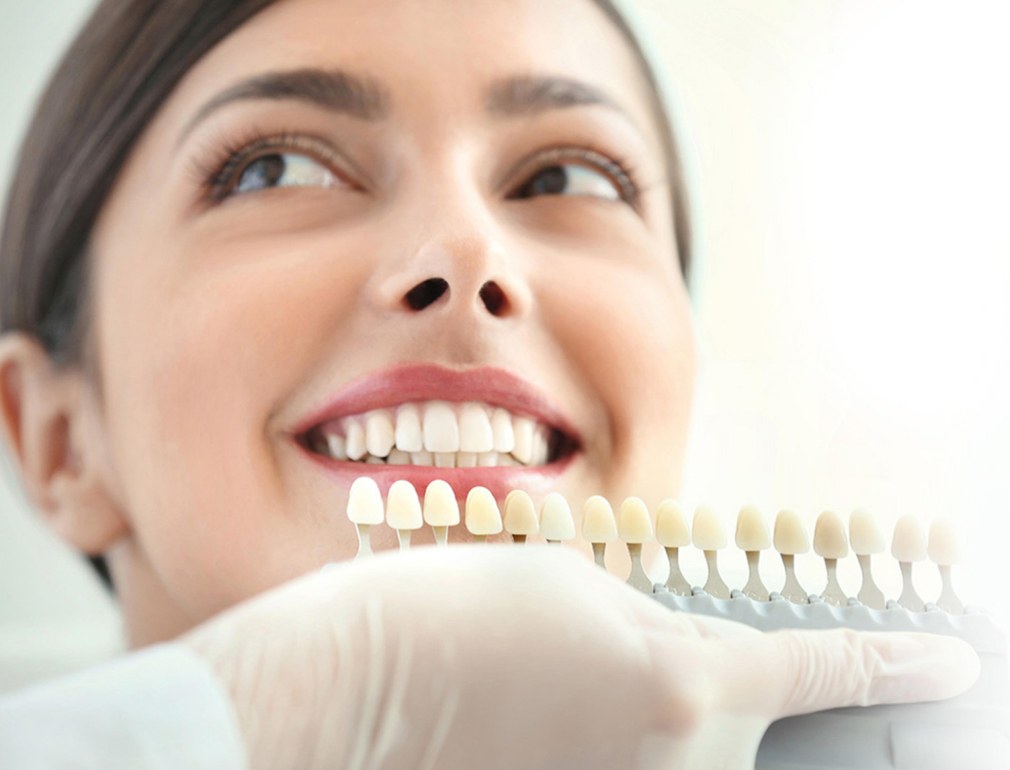
A smile can be the most eye-catching feature of your face. Even a subtle change can make a big difference in the way you look and feel. Our panel dentists can make yellow or gray teeth whiter with professional bleaching and also can replace, as it may necessitate, the darker silver fillings! Get your chipped, broken or missing teeth repaired with tooth-coloured restorations.
Many individuals who have discoloured enamel are not satisfied with the appearance of their teeth and go to great lengths to achieve the perfect smile. The answer lies in tooth bleaching.
Are your teeth stained, discoloured, or just showing their age?
Youthful bright teeth is a memory you can have again, it depends what all you want according to your cost considerations.
Dentists typically use a 16-shade guide that sets the standard for whiteness, wherein most professional treatments can bring teeth up to the top 2 percent. However, as a general rule, teeth should never be whiter than the whites of your eyes.
To get your smile back to looking its best, you should choose a whitening method that:
- Achieves the longest-lasting results
- Gives you the most naturally brilliant and uniform look
- Is clinically proven to be safe and effective
- Uses a low concentration of active ingredient (hydrogen peroxide)
Bleaching
Drinking too much tea or coffee, smoking or even eating strongly coloured foods can stain and discolour teeth. Toothpastes available can help remove these stains, but cannot change the actual colour of the tooth underneath.
Your DNA determines tooth colour, just as it does hair and eye colour. As we age, the dentine, the soft, pulpy substance below the enamel, changes colour, becoming more yellow. Stain-removing toothpaste alone cannot address this.
Professional supervision is important. Over-the-counter kits aren't custom-fitted, and bleaching may be unsuitable for those with gum disease or crowns.
How would my dentist whiten my teeth?
The most common method involves a special sleeve and gel. First, the dentist conducts a thorough check-up to ensure no problems exist and the gums are healthy. An impression of the upper and lower teeth is taken using a special tray with dental putty. From this impression, a custom plastic sleeve is created to fit snugly around your teeth.
The dentist demonstrates how to apply a small amount of bleaching gel into the sleeve and slide it over your teeth. You then take the sleeve home and use it overnight, possibly every other or every third night, until the desired colour is achieved. You may find that your teeth are more sensitive for about 24 hours after each application, but this is only temporary.
How white can your teeth become?
Some whitening procedures claim they can whiten your teeth by up to nine shades, but that is highly unlikely. A change of two or three shades makes a significant difference in most smiles. The dental field commonly uses the Vita shade guide, which divides tooth colour into four basic shade ranges.
At-home tooth whitening
Tooth whitening, also called tooth bleaching, removes stains and discoloration and lightens pigmentation within teeth. While many dental offices offer in-office whitening, at-home tooth whitening gel provides an alternative. Tooth bleaching kits take approximately two to six weeks to accomplish the desired level of whiteness and must be used under the supervision of a cosmetic dentist.
Using tooth whitening gel
The cosmetic dentist begins by checking teeth for cavities, as whitening gel could damage teeth with cavities. If found, cavities are repaired first. If none exist, teeth are cleaned to remove plaque and a custom mouth tray is fitted. The dentist provides peroxide-based whitening gel. The mouth tray should be filled with the tooth whitening gel and worn overnight for two to three weeks.
Important: do not smoke, drink or eat while bleaching your teeth. It is not recommended to bleach your teeth if you are pregnant or nursing.
Advantages and disadvantages
Advantages. People typically whiten teeth to improve appearance. Whiter teeth are associated with beauty and healthier lifestyles. Those with brighter smiles smile more often and feel less self-conscious. A whiter smile minimises facial wrinkles, creating a more youthful and energetic appearance, and gives those you're speaking with a focal point and a friendlier appearance.
Disadvantages. Although effective, bleaching can cause short-term issues like sore gums or teeth from the bleach, which disappears when discontinued. Some individuals are more chemically sensitive. If you are one of them, inform your cosmetic dentist so that you can be tested for sensitivity to the solution.
At Smile 4U Family Dental Clinic, advanced techniques and improved materials enable sparkling white smiles in just one hour without side effects or sensitivity.